Written by Sara Bulgheroni
Founder and guide at Stockholm Private Guide
Written
At a Glance
Join Sweden's Midsummer festivities: find out the exact dates for Midsummer Eve and Midsummer Day in 2026, get ideas for celebrating in Stockholm, plus tips on food, what to wear, and local customs.
Midsommar is one of Sweden's most important and beloved holidays, alongside Christmas. Celebrated around the summer solstice, it's a joyful and fun tradition that dates back hundreds of years. But if you've never been to Northern Europe, you might be wondering: what exactly happens during Midsommar? And can you join as a visitor? Absolutely. Here's everything you need to know to experience Midsommar in Stockholm in 2026.
What is Midsommar?
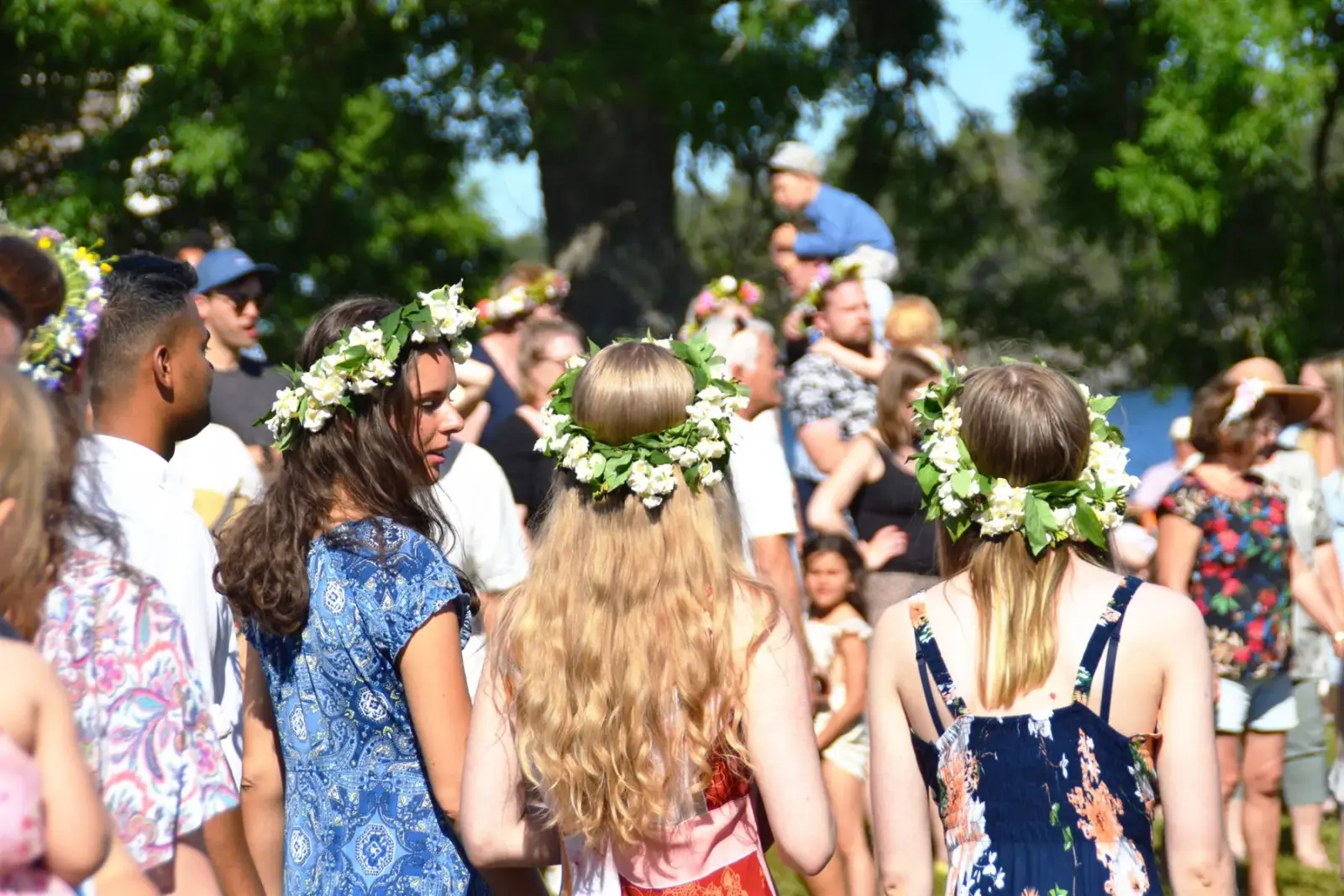
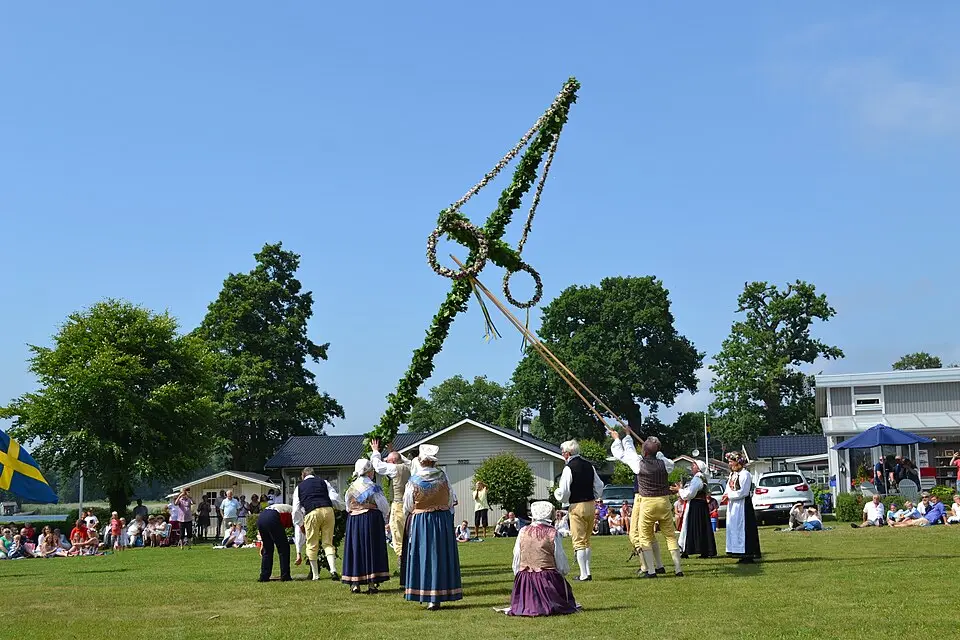
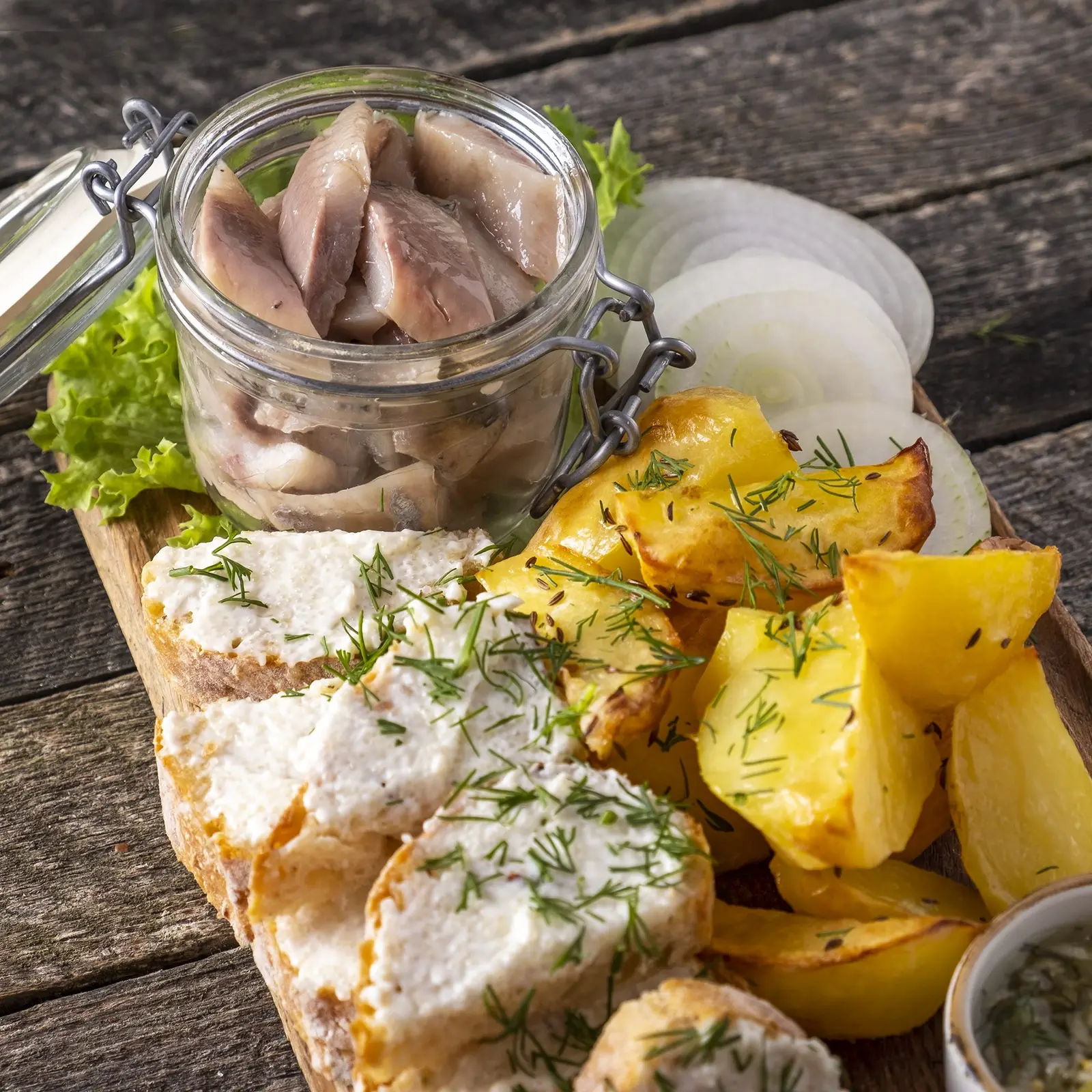
Midsommar marks the longest day of the year, when the sun barely sets in northern Sweden. People gather to dance around a maypole (called midsommarstång), wear flower crowns, sing funny songs, and eat pickled herring, new potatoes, and fresh strawberries. It's a celebration of light, nature, and the short but glorious Nordic summer. It's about community, joy, and being outdoors.
The history and traditions of Midsommar
Midsummer's roots are mixed: Christian, agrarian, and folkloric, with later traditions shaped over several centuries. Today, Midsummer is treated as a folkloric festival that also has a surprising Christian connection, largely forgotten in Sweden.
In 1555, the Swedish Catholic churchman Olaus Magnus described how people gathered on the eve of Saint John the Baptist, dancing by the light of many fires. Midsummer was historically connected to the church feast of Saint John the Baptist, commemorated on June 24 in the Christian calendar. According to the Nordic Museum, Sweden's folkloric traditions Museum, Swedish Midsummer’s documented history is closely tied to this Christian observance, although older seasonal traditions may also have influenced the celebration. In the past, church authorities occasionally complained about the more boisterous aspects of Midsummer festivities, and in some places even attempted to restrict or forbid maypoles and dancing.
The maypole tradition probably arrived in Sweden from Germany in the Middle Ages and, despite its name, the maypole has nothing to do with May: the word "maj" in majstång (maypole) comes from the Swedish word "maja," meaning "to decorate something with leaves."
One old saying about Midsummer reflects the promiscuity of young people at this festival: "Midsommarnatten inte är lång men sätter sju och sjuttio vaggor i gång" (Midsummer night is not very long but it sets seventy-seven cradles in motion).
Today, the festival holds a place in Swedes' hearts similar to an Independence Day celebration in other countries: the one celebration of pure Swedishness and the highlight of the year's festivities.
Why is Midsommar so important to Swedes?
To understand why Midsummer is so important to Swedes, you have to experience the cold and darkness of a Swedish winter. After months of darkness, Midsummer is a collective exhale, a celebration of light and nature that carries deep cultural weight. Swedes pride themselves on their closeness to nature, and the ideal elements of a Midsummer festival include being with friends and family in the countryside, on an island, or in a park, singing, dancing, eating, and drinking.
When does it take place in 2026?
Midsummer Eve is always celebrated on a Friday between June 19 and June 25, followed by Midsummer Day on the Saturday. In 2026, Midsummer Eve falls on Friday, June 19, and Midsummer Day on Saturday, June 20. The main celebrations happen on Friday afternoon and evening. The maypole is raised, food is served, and the dancing, singing, and drinking continue into the evening. Many Swedes also take the following Monday off, turning it into an informal four-day weekend. Expect trains, roads, and accommodations to be under significant pressure from Thursday onwards and book everything well in advance.
Where to celebrate Midsommar in Stockholm and its surroundings in 2026
You don't need a car or a countryside cottage in Stockholm's archipelago to enjoy Midsommar. Stockholm offers several public celebrations that are open to everyone:
Skansen, the Open-Air Museum: The most traditional and family-friendly option. Skansen has been hosting Midsummer celebrations since the 1890s. In 2026, the celebration lasts for three days, from June 19 to 21. Sweden's largest Midsummer celebration takes place here, with over 45,000 visitors gathering each year. You'll see folk dancers, a raised maypole, live music, and plenty of Swedes in traditional costumes. The programme also includes concerts, flower wreath making, and storytelling inspired by Swedish folklore, plus a Midsummer market with crafts and seasonal food. Opening hours: June 19 from 10:00 AM to 10:00 PM, June 20–21 from 10:00 AM to 6:00 PM. To participate in the Midsommar celebrations, you only need the standard entrance ticket; free entry for children up to 15 years. Skansen is located on Djurgården island, easily reachable by tram or ferry.
Överjärva gård, in Solna: Friday, June 19, from 11:00 AM to 4:00 PM, there will be music, games, and dances around the maypole. This is the best nearby classic, authentic Midsummer celebration if you are around the Haga/Solna area.
Herrängens gård, in the Älvsjö area: On June 19th, free entrance. Opens at 11:00 AM. The maypole will be decorated at 1:00 PM and raised at 1:50 PM. There will be dances from 2:00 PM to 3:00 PM.
Vintervikens trädgård, in the Aspudden/Gröndal area: On Friday, June 19, from 11:00 AM to 6:00 PM, there will be food, music, and dance around the maypole. No entrance fee for kids, 100 SEK fee for adults.
The Archipelago: Take a boat to Vaxholm, Grinda, or Sandhamn. On some islands, public parties are held. Grinda, for example, hosts traditional festivities in the meadow below Grinda Wärdshus, with maypole raising, singing, and dancing. Ferries fill up fast, so book tickets in advance.
Event hours may change around the holiday, so before you head out, be sure to check the official websites for Skansen, Överjärva gård, Herrängens gård, Vintervikens Trädgård, and Grinda.
What to bring and wear
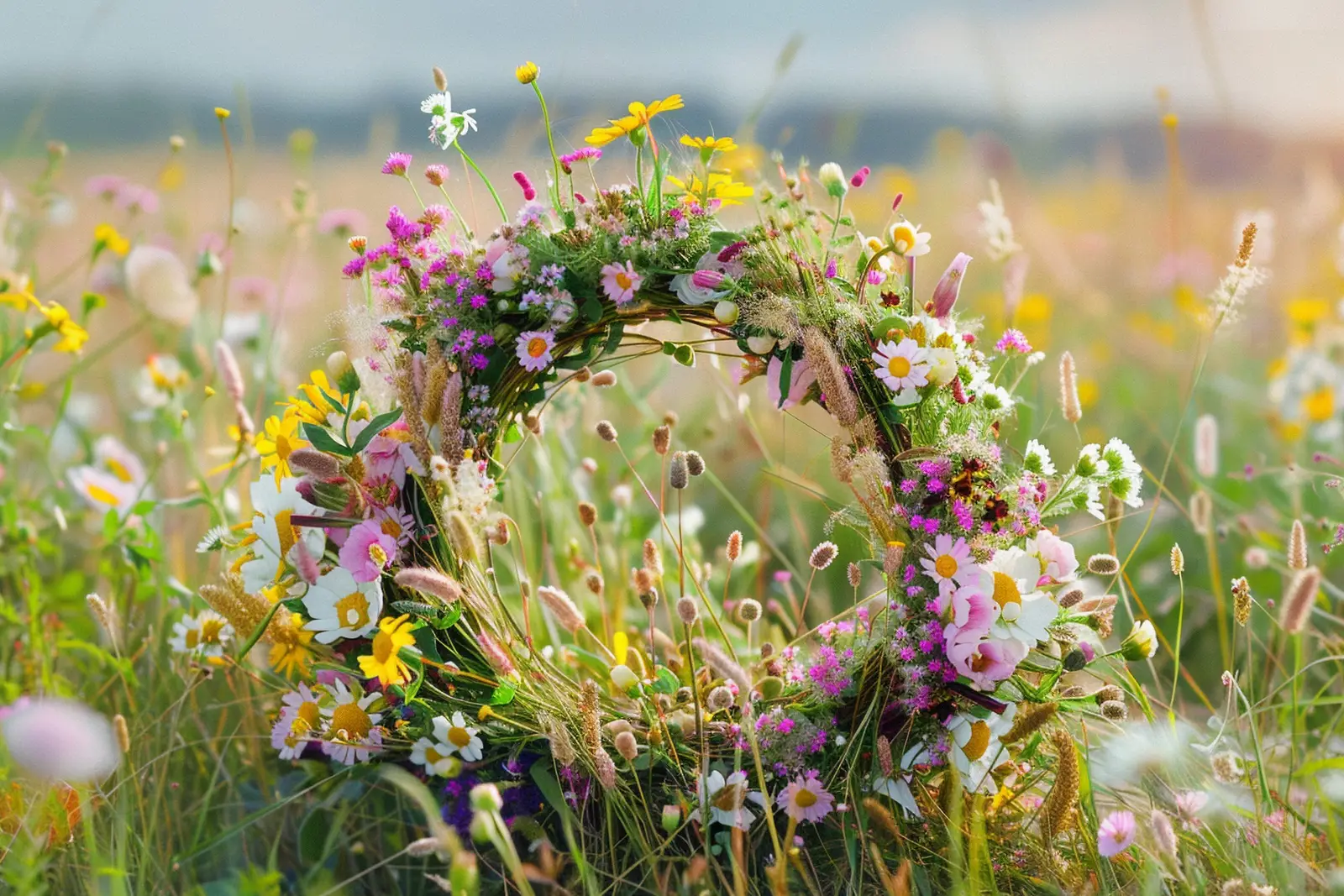
Flower crown: You can buy one at a market or make your own with wildflowers. It's not just for kids; everyone wears them.
Picnic blanket and food: Swedes bring herring, boiled potatoes with dill, sour cream, crispbread, and strawberries with whipped cream. You can buy everything at grocery stores like ICA, Coop, or Hemköp on Thursday or Friday morning. If you wish to buy fancier foods, you can go to Östermalms Saluhall, the historic food market in Stockholm's Östermalm neighborhood. But remember it will be closed from Midsummer's Eve, so go there no later than Thursday, June 18. Don't forget to buy drinks at Systembolaget (the alcohol monopoly store), as everything stronger than 3.5% is not available at the grocery store. Buy alcohol no later than Thursday, June 18, because Systembolaget is closed on both Midsummer Eve and Midsummer Day.
Rain jacket: Swedish summer is unpredictable. Midsommar often brings light rain. Don't let it stop you since the party goes on.
Comfortable shoes: You'll be dancing like a frog ("Små grodorna": the frog dance) around the maypole!
Useful tips for visitors
Many museums, shops, and restaurants close early on Midsommar's Eve (Friday afternoon) and stay closed on Saturday. Plan ahead: buy groceries on Thursday or Friday morning.
Public transport runs on a holiday schedule. Check SL's app (Stockholm's public transport app) for updated times.
If you want to celebrate outside Stockholm, consider taking a boat to the archipelago islands that have public parties. Ferries fill up fast, so book tickets in advance.
Don't worry if you don't speak Swedish. Most Swedes speak excellent English and will happily explain the songs and traditions to you.
Etiquette: Do's and Don'ts
Do join the dancing, even if you think you look silly. Swedes love when visitors participate.
Do bring snaps (aquavit) and flowers if you're invited to a private party and learn to sing the refrain of 'Helan går' (the whole shot goes down), the traditional drinking song.
Don't expect a wild, late-night party. Midsommar is more about daytime and evening fun. By midnight, many families head home (though younger crowds may continue at bars).
Glad Midsommar!
Midsommar is the heart of Swedish summer. It's vibrant, green, and surprisingly emotional. After a long dark winter, Swedes truly celebrate the light. As a visitor, you'll be welcomed with open arms. So pack your flower crown, learn the frog dance, and experience one of Europe's most unique traditions.
Happy Midsommar!
“After months of darkness, Midsummer is a collective exhale, a celebration of light and nature that carries deep cultural weight.”
Sources
Official and primary references used to verify dates, schedules, opening information, and other details that can change:
- Visit Sweden: Midsummer in Sweden
- Visit Stockholm: Midsummer in Stockholm
- Skansen: Midsummer at Skansen
- Överjärva gård: Midsummer program
- Herrängens gård: Midsummer
- Vintervikens Trädgård: Midsummer celebration
- Grinda: Celebrate Midsummer
- Systembolaget: Holiday opening hours
- Östermalms Saluhall: Special opening hours