Written by Sara Bulgheroni
Founder and guide at Stockholm Private Guide
Written
At a Glance
Discover Bamse’s miniature house in Södermalm, a tiny Stockholm installation that opens a quiet, memorable door into Swedish culture.
A Tiny Installation That Opens a Door into Swedish Culture
When people think of Stockholm, they usually imagine beautiful views over its islands, elegant architecture, impressive historic buildings, and museums. All of that is part of the city’s appeal. Yet some of Stockholm’s most memorable discoveries are much smaller. They do not dominate the skyline or appear on postcards. Instead, they reveal themselves quietly, often to those willing to slow down and look a little more carefully.
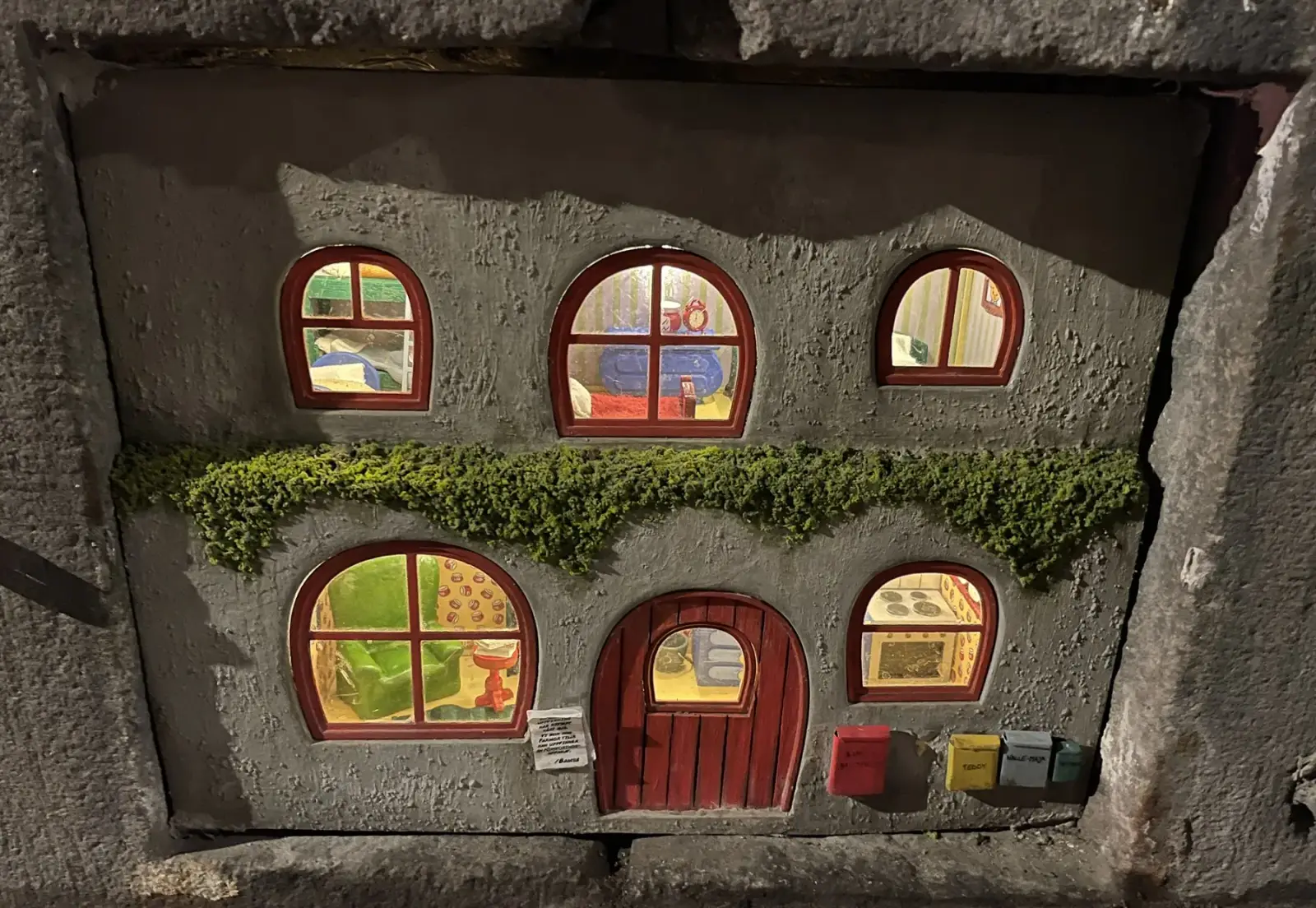
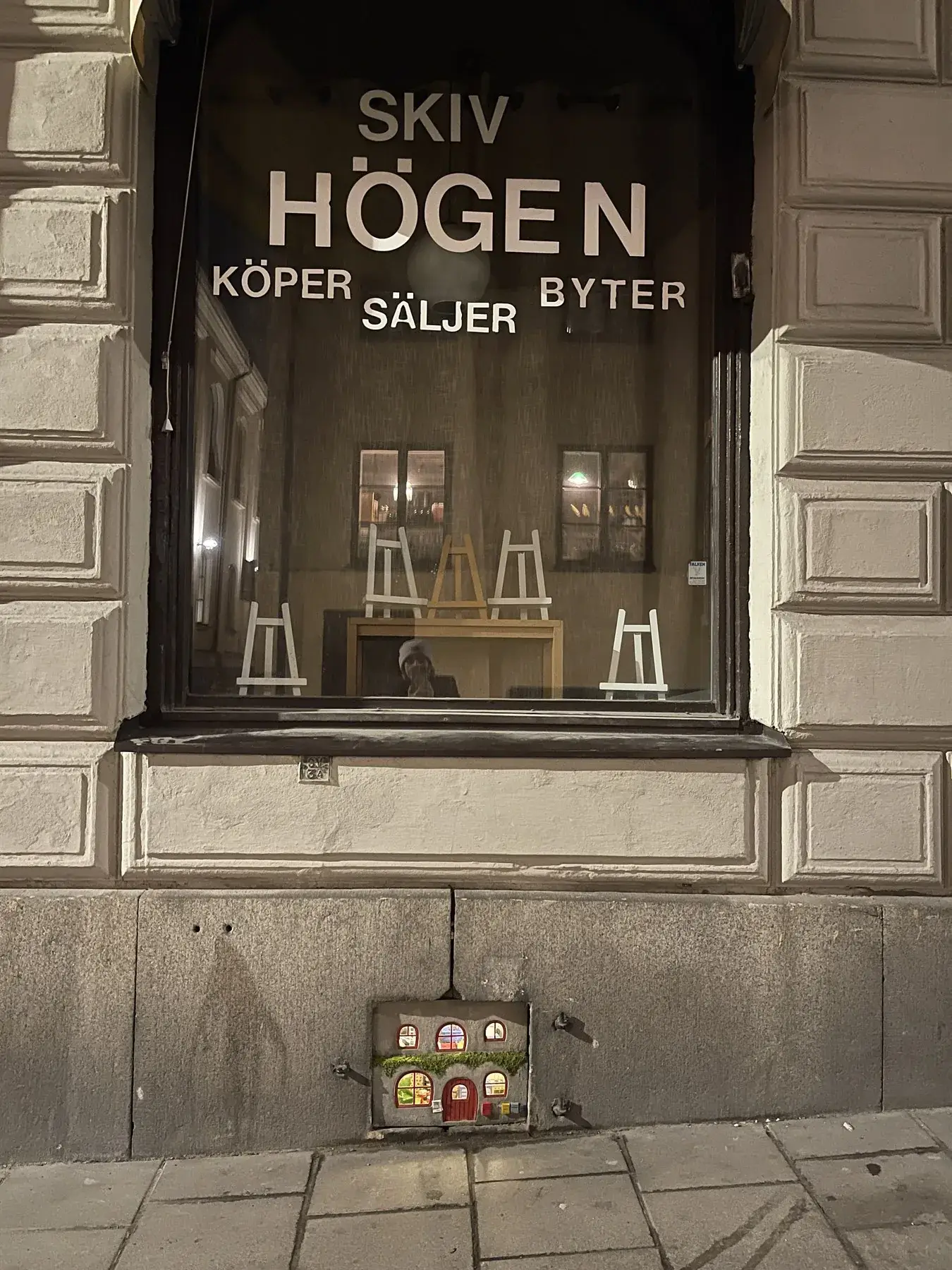
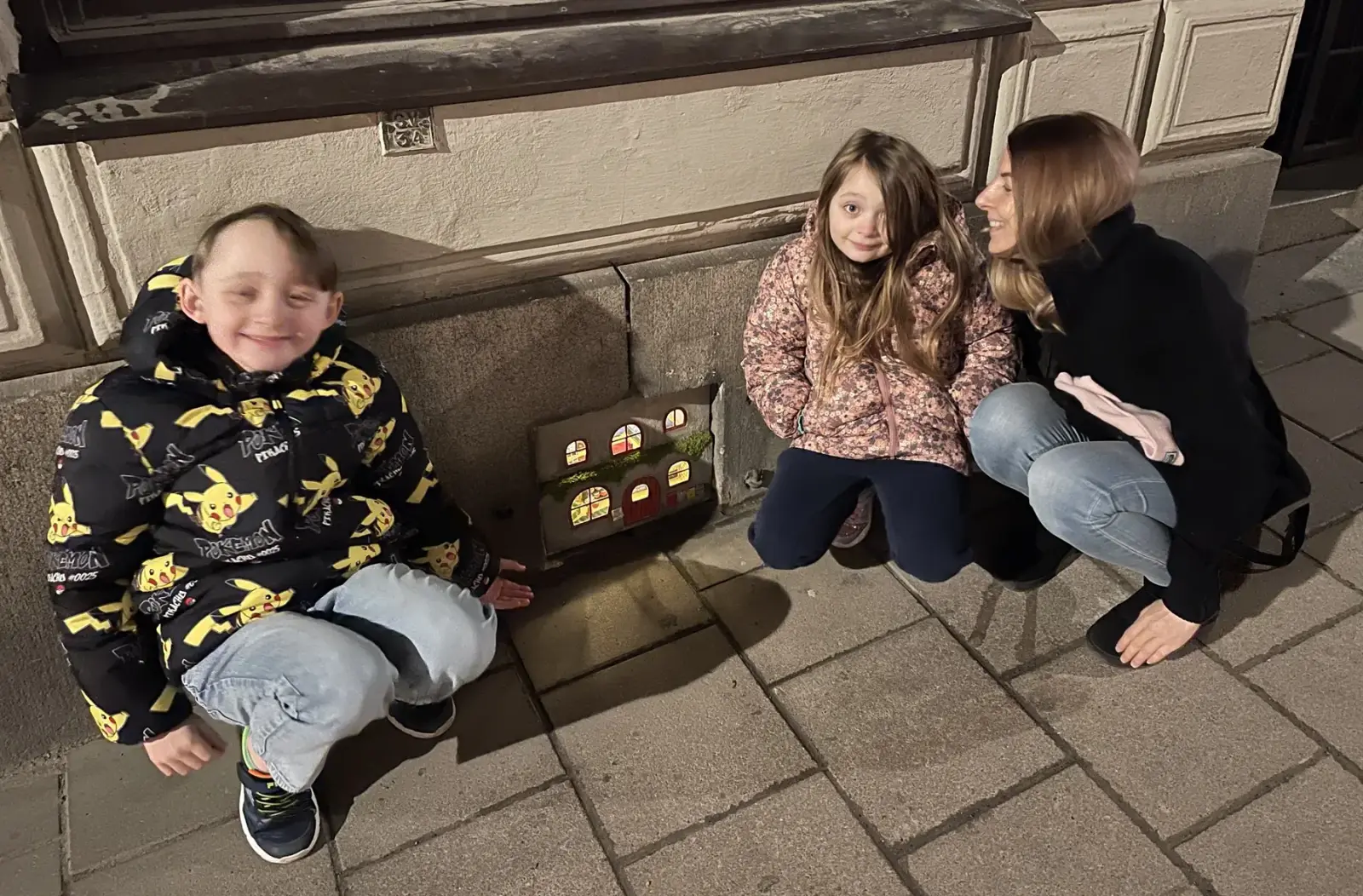
Bamse’s miniature house belongs to this category. Set low into a façade on Högbergsgatan 32A in Södermalm, this tiny installation is easy to miss if you are walking too quickly. But once you notice it, it becomes difficult to forget. Installed in March 2026, the miniature house was created as part of the celebrations marking the 60th anniversary of Bamse, one of Sweden’s most beloved fictional characters for children.
A Tribute in Miniature
One of the reasons Bamse’s miniature house is so appealing is that it does not present itself like a conventional attraction. It does not announce itself from afar. You have to pause, bend down slightly, and really look. Only then does its tiny world begin to reveal itself.
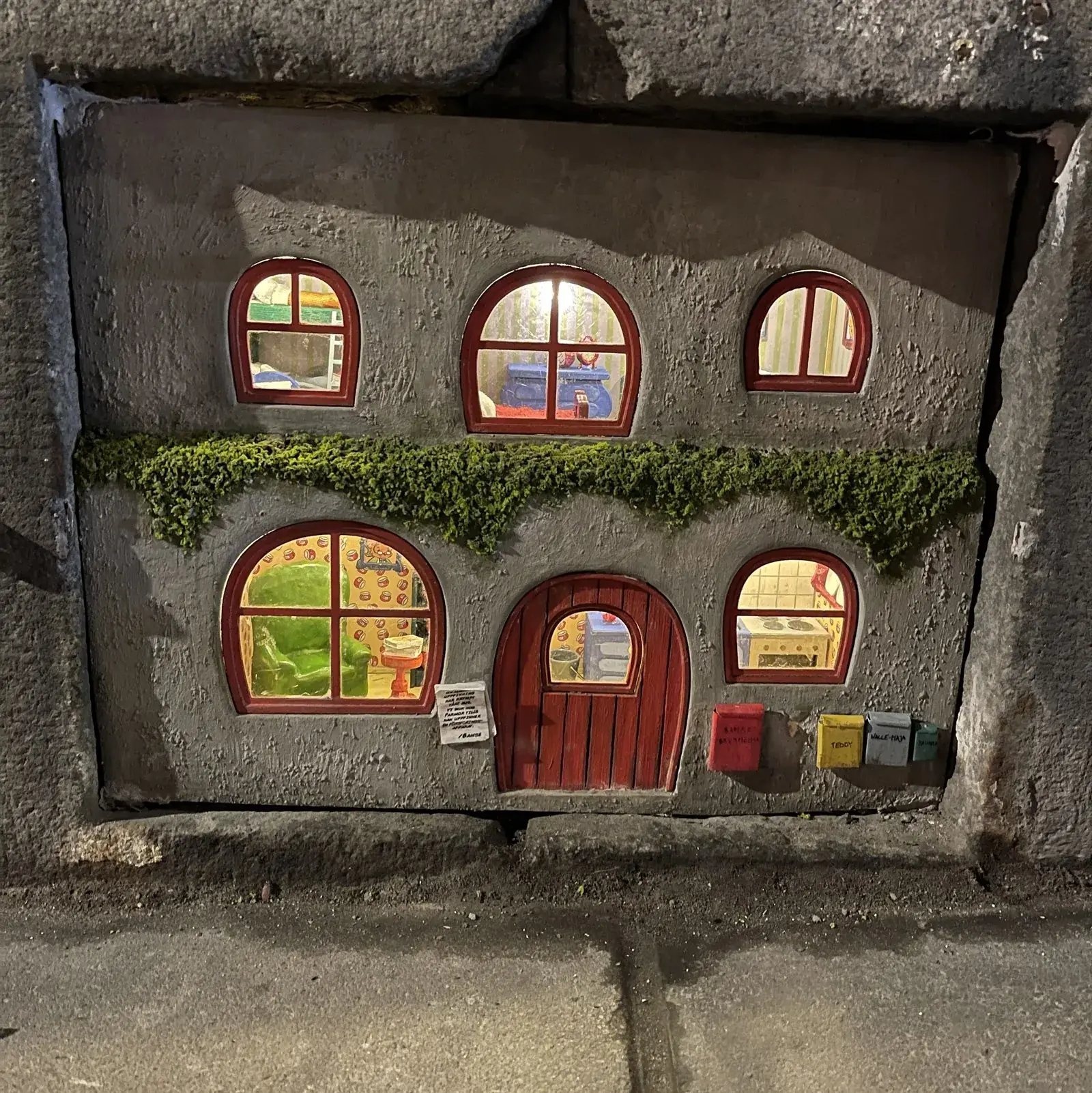
The house includes miniature mailboxes marked with the names of Bamse and his family. If you look through the small windows, you can also spot jars of Bamse’s famous honey inside. These details give the installation its playful warmth and connect it directly to stories that generations of Swedes know well, while remaining intriguing even for those encountering the character for the first time. The effect is both simple and striking. Bamse’s little house transforms an ordinary stretch of street into something unexpectedly imaginative. It works at once as a playful urban surprise and as a cultural reference point. Children are naturally drawn to its scale and detail. Adults tend to appreciate the craftsmanship, the wit, and the affectionate way it introduces a beloved figure from Swedish childhood into the everyday cityscape.
Why Bamse, and Why Södermalm?
For international visitors, the installation becomes even more meaningful once they understand who Bamse is. He is not simply a cartoon bear, but one of the central figures in Swedish children’s culture, associated with kindness, fairness, and the idea that strength should be used responsibly. A miniature house devoted to him, therefore, does more than decorate a street. It brings a shared cultural memory into public space.
The choice of Södermalm also feels fitting. This part of Stockholm is often appreciated for its creative atmosphere, and Bamse’s little house sits naturally within that setting. It is the kind of detail that rewards curiosity rather than demanding attention, which makes it especially satisfying to encounter on foot.
The Artists Behind the House
The work was created by Anonymouse, the Swedish artistic duo behind a long-running series of miniature street installations that became internationally known for their ingenuity and charm. Their identity remained secret for years, but in 2025, they revealed themselves as Elin Westerholm and Lupus Nensén. By then, their miniature worlds had already attracted attention far beyond Sweden.
Anonymouse first became widely known in the city of Malmö in 2016 with Il Topolino, a tiny mouse restaurant built into the street, followed by Noix de Vie, a miniature shop beside it. The project quickly expanded into a larger urban universe. Later works included Tjoffsans Tivoli, a tiny amusement park, as well as a bookshop, a theatre, a barber shop, a detective agency, and other miniature environments installed in Swedish cities and abroad. Their work has also been presented in a museum context, including an exhibition at Skissernas Museum in Lund in 2025, where visitors could encounter several of the miniature houses in a curated setting.
What distinguishes Anonymouse is not only the miniature scale of their work, but also the seriousness with which they approach it. Their houses and storefronts are carefully built from found and repurposed materials, and they often combine humor, precision, and a strong sense of narrative. The Bamse house clearly belongs to this same artistic world, but with an added cultural dimension. Instead of imagining a fictional mouse society, it gives architectural form to a character already deeply rooted in the Swedish imagination.
More Than a Curiosity
What makes Bamse’s little house worth seeking out is not simply that it is charming, though it certainly is. It is that the installation works on several levels at once. It is visually engaging, it rewards close attention, it introduces an element of play into the urban environment, and it carries a cultural meaning that goes beyond its size.
For visitors who already know Bamse, it is an affectionate tribute. For those discovering him for the first time, it can serve as a gentle introduction to an important part of Swedish family culture. In both cases, the little house offers something that many travel experiences do not: a moment that feels both local and personal.
A Small Stop That Enriches a Walk
Not every place worth visiting in Stockholm needs to be monumental. Whether you are wandering or following a structured tour and guide, some of the city’s most rewarding experiences come from details that show how culture lives in ordinary space. Bamse’s little house belongs firmly in this category. It takes only a few minutes to see, but it adds something distinct to a walk through Södermalm: surprise, warmth, and a glimpse into the imaginative world that has shaped generations of Swedish childhood.
That is why it stays in the memory, not because it is large or famous, but because it is thoughtful, specific, and unmistakably rooted in the place where it stands.
“Some of Stockholm’s most memorable discoveries do not dominate the skyline or appear on postcards. Instead, they reveal themselves quietly, often to those willing to slow down and look a little more carefully.”
Sources
Official and primary references used to verify dates, schedules, opening information, and other details that can change: