Written by Sara Bulgheroni
Founder and guide at Stockholm Private Guide
Written
At a Glance
Swedish Easter blends folklore, feathered birch branches, witches, and a holiday table full of herring, eggs, gravlax, lamb, and Påskmust.
What Makes Swedish Easter Feel Different
If you are visiting Stockholm in the spring, you might expect to see chocolate bunnies and pastel eggs. While you will certainly find those, Easter in Sweden (Påsk) offers a uniquely Nordic twist. It is a fascinating, slightly quirky blend of Christian traditions, ancient folklore, and a collective celebration of the returning spring light.
If you are unfamiliar with how Swedes celebrate this holiday, you might be a bit confused when you see birch twigs covered in brightly colored feathers or little kids dressed up as old witches. Here is everything you need to know about the history, anecdotes, and traditions of a Swedish Easter, and how to best experience it right here in Stockholm.
The Legend Of The Easter Witches (Påskkärringar)
Perhaps the most surprising Swedish Easter tradition happens on Maundy Thursday (Skärtorsdagen). If you are wandering the streets of Stockholm, you might suddenly find yourself surrounded by little children dressed as witches, complete with painted freckles, rosy red cheeks, headscarves, and long aprons.
The History: This adorable tradition has slightly dark, folklore roots. According to old Swedish superstition, Maundy Thursday was the day when all the witches of the land would mount their broomsticks (or sometimes livestock!) and fly off to a mythical meadow called Blåkulla. There, they would dance and feast with the devil himself before returning on Holy Saturday.
In western Sweden, to scare these witches away, people used to light bonfires and shoot firearms into the air. Today, the tradition is much sweeter. Children dress up as the påskkärringar (Easter witches) and go door-to-door in their neighborhoods, handing out hand-drawn Easter cards in exchange for candy, much like an Easter version of Halloween!
Feathers In The Birch Trees (Påskris)
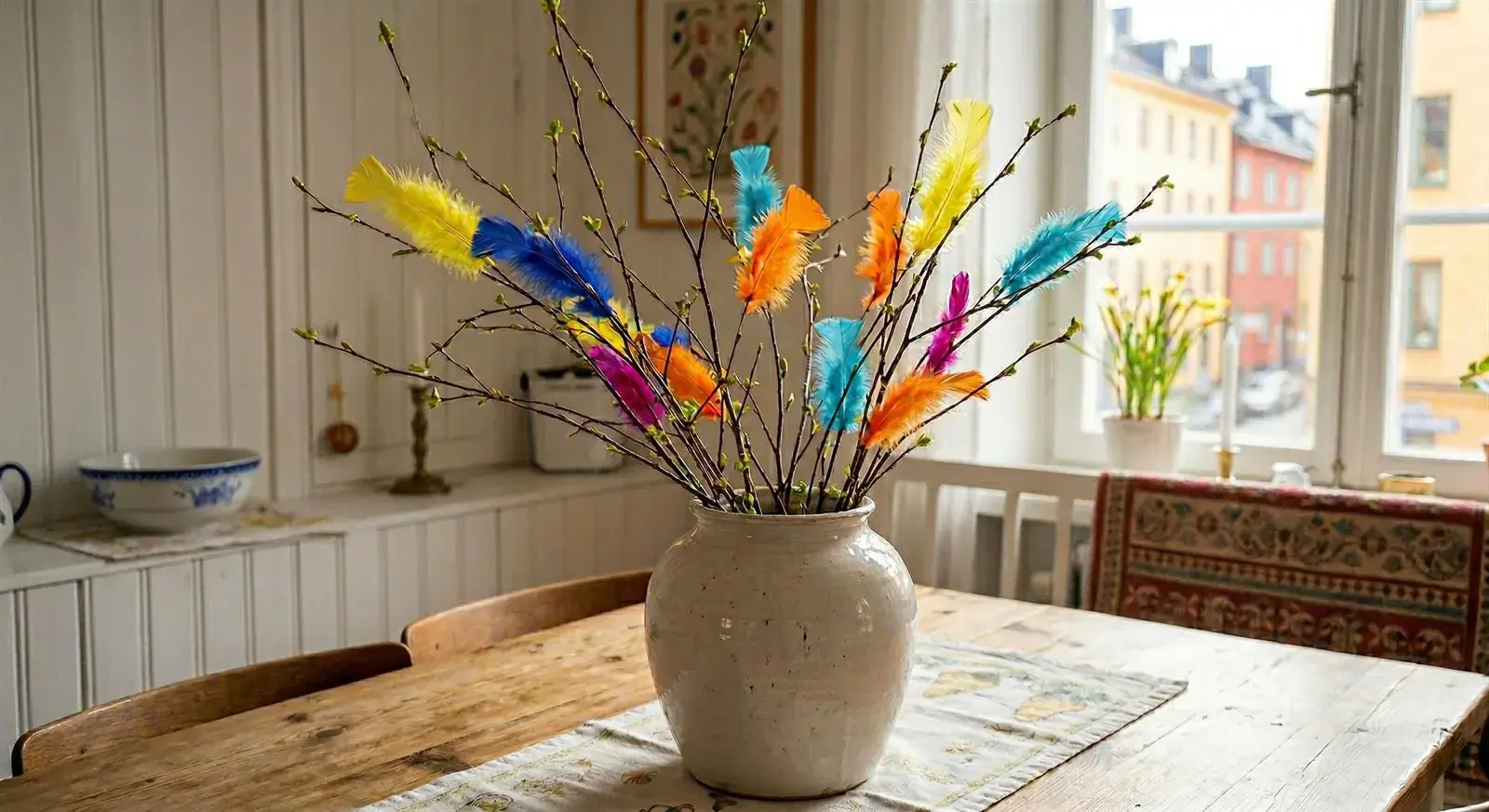
Another Easter tradition you will notice all over Stockholm is påskris, bare birch twigs placed in vases and decorated with brightly colored feathers. Today, they are one of the most recognizable signs of Swedish Easter, bringing color into homes, shop windows, and public spaces just as spring begins to return.
The history behind them is older and more layered than the modern decoration suggests. Earlier Swedish Good Friday customs involved using birch twigs as a reminder of Christ's suffering, and historical records show that decorated Easter twigs began appearing in Sweden during the 19th century.
Over time, these decorative branches merged with the older twig tradition and gradually developed into the cheerful påskris that is now a familiar part of Easter across Sweden.
The Swedish Easter Feast
Like almost all major Swedish holidays, Easter centers around a smörgåsbord (buffet). Swedes gather with family on Holy Saturday (Påskafton) for the main celebration. The table is typically loaded with:
Pickled Herring (Sill): A staple of any Swedish holiday.
Cured Salmon (Gravlax): Served with dill and mustard sauce.
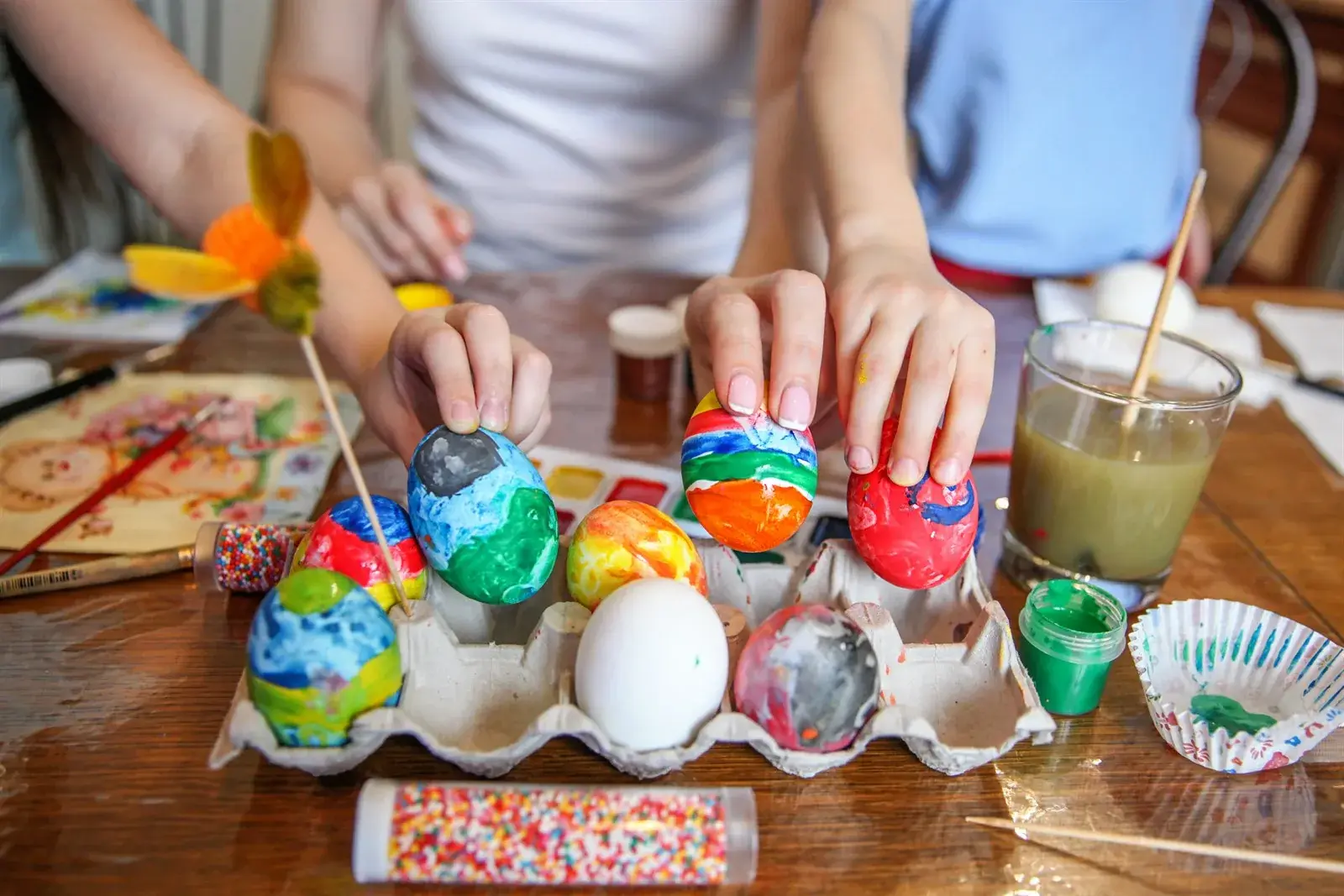
Eggs: Halved and topped with shrimp, mayonnaise, and roe.
Roast Lamb: A nod to the traditional Easter lamb, often served with potato gratin.
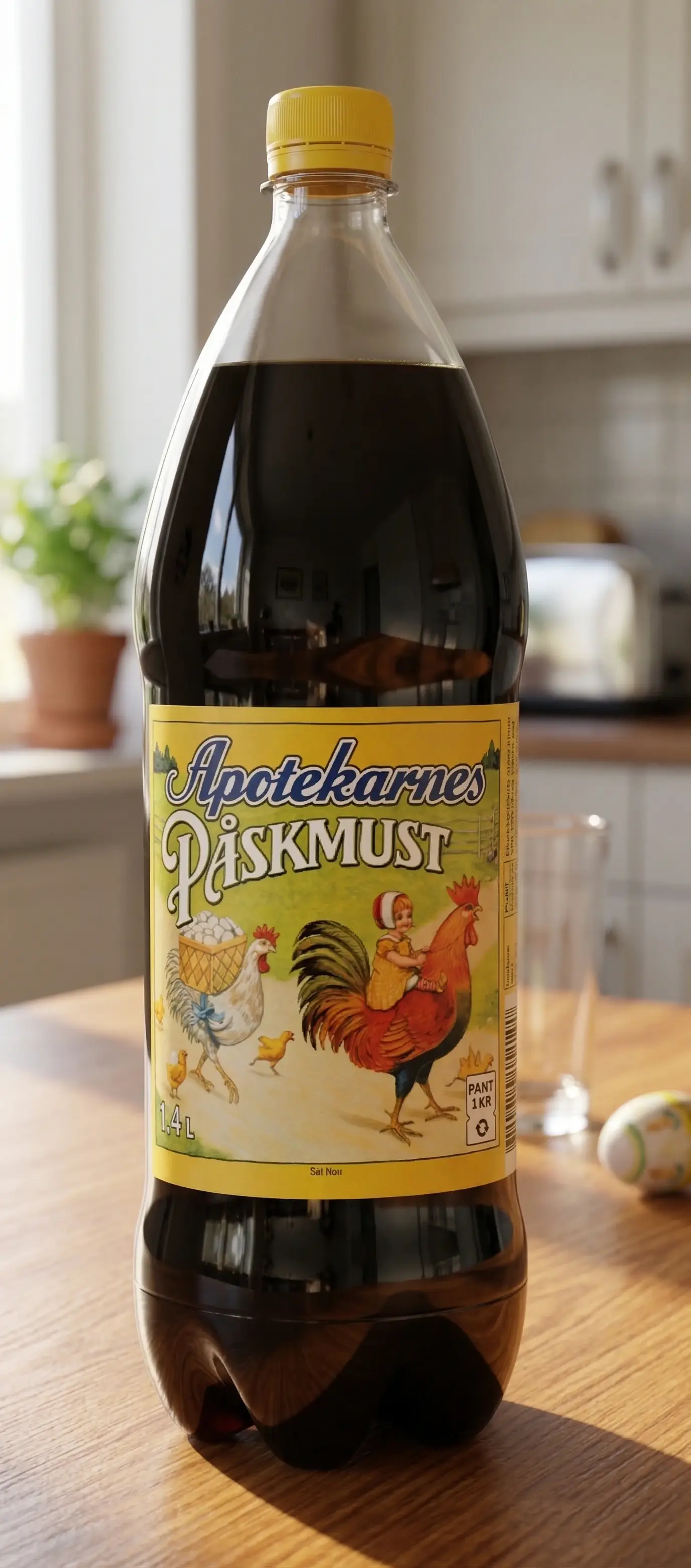
Påskmust: Swedes have a beloved, cola-like spiced soda that they drink at Christmas (called Julmust). At Easter, the same beverage is sold in stores under the name Påskmust. It is so popular that Coca-Cola sales in Sweden significantly drop during this weekend!
Experiencing Easter In Stockholm
Because Easter usually coincides with the arrival of genuine spring weather, Stockholm feels incredibly vibrant during this long weekend. While many locals retreat to their country houses in the archipelago, the city remains wonderfully alive.
If you are looking into Stockholm city tours during the spring, this is a brilliant time to explore. The weather is warming up, and as you take your tour through the cobblestone streets of Gamla stan (The Old Town), you will see bakery windows filled with marzipan treats.
To really dive into the history, a knowledgeable Stockholm tour guide is invaluable. They can point out the subtle cultural shifts in the city and recommend the best places to buy authentic Swedish Easter candy. In fact, booking a private tour of the Skansen open-air museum is arguably the best way to spend your Easter weekend. Skansen goes all out for the holiday, hosting traditional Easter markets, folklore storytelling, and crafting stations for making Påskris.
The professionals running guides and tours here are deeply passionate about their heritage. Ask your Stockholm tour guide where to find a restaurant serving a traditional Easter buffet, as culinary-focused guides and tours often highlight spots that offer seasonal menus.
Whether you are admiring the colorful feathers swaying in the crisp spring breeze or trading a smile with a little freckle-faced Easter witch, spending this holiday in Stockholm is a beautiful way to experience the authentic Swedish soul.
“Easter in Sweden offers a fascinating, slightly quirky blend of Christian traditions, ancient folklore, and the returning spring light.”
Sources
Official and primary references used to verify dates, schedules, opening information, and other details that can change: