Written by Sara Bulgheroni
Founder and guide at Stockholm Private Guide
Written
At a Glance
Lakrits is one of Sweden's most divisive and revealing flavors, spanning pharmacy history, salmiak obsession, and playful tourist initiation rituals.
A Candy Tourists Never Forget
Welcome to Sweden! You have probably prepared your palate for the classics: savory meatballs, fresh lingonberries, and sweet cinnamon buns. But lurking in every supermarket, convenience store, and boutique candy shop is a national obsession that catches almost every visitor off guard.
It is black, it is pungent, and it is an absolute way of life here. It is lakrits (licorice), and to truly understand Sweden, you have to understand this candy.
Whether you are here for the museums or hopping between Stockholm city tours, diving into the world of Swedish lakrits is a cultural rite of passage. Looking at global culinary trends, it is safe to say that very few treats create such a dramatic divide between locals and tourists.
Here is everything you need to know about Sweden's dark, salty obsession before you take your first bite.
What Is Lakrits? (The Sweet Vs. The Salty)
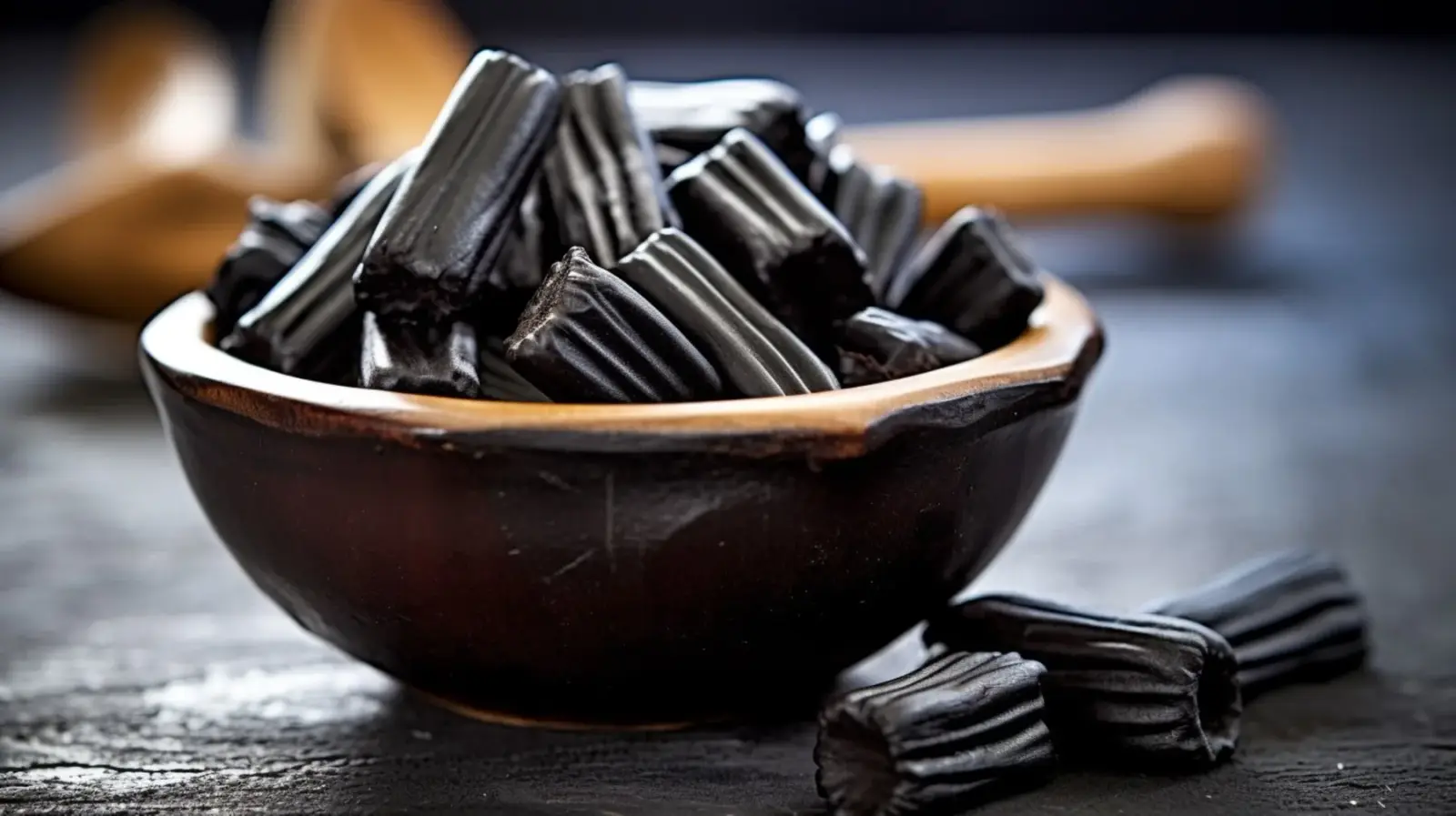
If you are from North America or parts of Southern Europe, you probably associate the word "licorice" with a sweet, chewy red or black candy. In Sweden, lakrits is an entirely different beast.
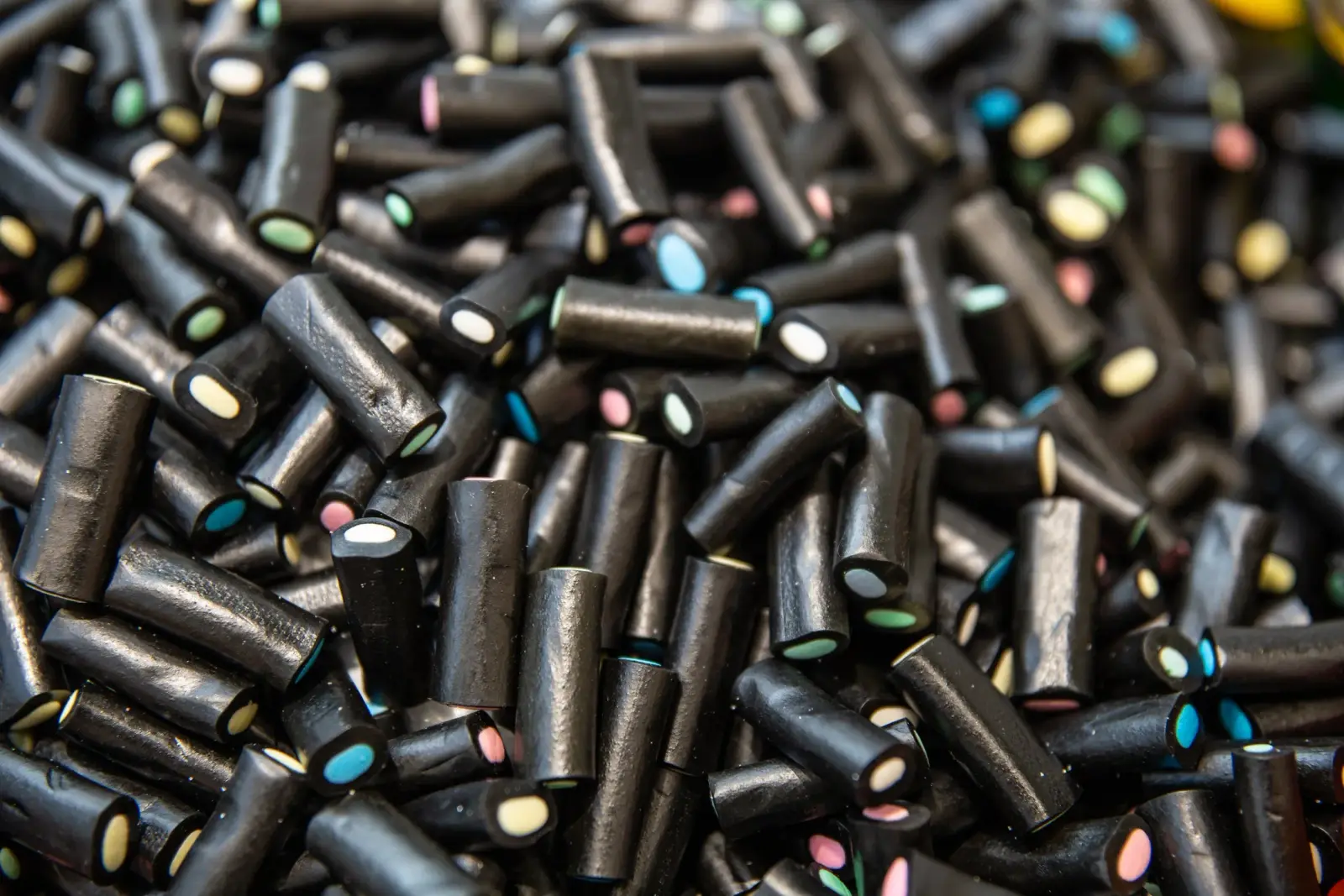
While you can find sweet licorice (sötlakrits), the true heart of the Swedish candy aisle belongs to saltlakrits (salty licorice).
But here is the catch: the "salt" is not regular table salt (sodium chloride). It is ammonium chloride (salmiak). This chemical compound gives the candy an intense, astringent, almost tongue-numbing sensation. It is sharp, deeply savory, and completely shocking if you are expecting sugar.
From Cough Syrup to Candy: The History of Salmiak
How did an entire nation fall in love with a candy that tastes like salted chemicals? The truth is, the exact origin of salty licorice is a bit of a historical mystery, which makes the story even more fascinating.
While historians might debate who exactly "invented" it, they all agree on one thing: salmiak (ammonium chloride) had a long, thriving life in the pharmacy before it ever reached the candy aisle. Back in the 19th century, it was heavily relied upon in cough remedies and throat lozenges to loosen phlegm. In fact, one of the earliest documented recipes combining salmiak with soothing licorice root actually popped up in a Dutch pharmacopeia all the way back in 1851!
Here in Sweden, lakrits spent decades lingering in that blurry, transitional space between medicine and confectionery. A perfect example is the iconic Swedish brand Läkerol. Introduced in 1909 after founder Adolf Ahlgren discovered a particularly effective cough drop in a German pharmacy, it perfectly captured this overlap between soothing a sore throat and satisfying a craving.
Over time, the medicinal purposes slowly faded away, but the distinct, sharp taste remained. Swedes realized they did not need a cold to crave the flavor, and salty licorice officially evolved from a humble pharmacy staple into a beloved national treat.
Anecdotes and the "Tourist Initiation"
Before you take your tour around the city's candy shops, you should know that Swedes love to playfully prank visitors with lakrits.
Ask any seasoned tour guide, and they will likely have a funny anecdote about offering an unsuspecting tourist a piece of Djungelvrål (a popular brand of monkey-shaped licorice covered in a heavy crust of salmiak salt). The sheer look of betrayal on the tourist's face as the intense, burning salt hits their tongue is a classic Swedish rite of passage.
But it is not just a standalone candy. Swedes incorporate lakrits into everything. You will find:
Lakrits Ice Cream: Often striking pitch-black or grey.
Lakrits Chocolate: A wildly popular combination of creamy milk chocolate and crunchy salty licorice bits.
Lakrits Snus: The traditional Swedish tobacco pouches often come in salmiak flavors.
Culinary Uses: High-end chefs even use lakrits powder as a meat glaze or a spice for root vegetables.
How To Experience Lakrits On Your Trip
If you book a private tour of the historic Gamla stan (Old Town), keep an eye out for specialized boutique candy stores. These shops elevate the candy from a supermarket snack to an artisanal gourmet experience, offering tastings that range from mild and sweet to fiercely salty.
Because it is such a unique cultural touchstone, many tour operators incorporate a candy-tasting stop into their itineraries. These local experts know that sharing this polarizing flavor is the quickest way to bond a group of travelers.
“If you want one candy that explains Swedish taste for contrast, intensity, and local pride, start with lakrits.”